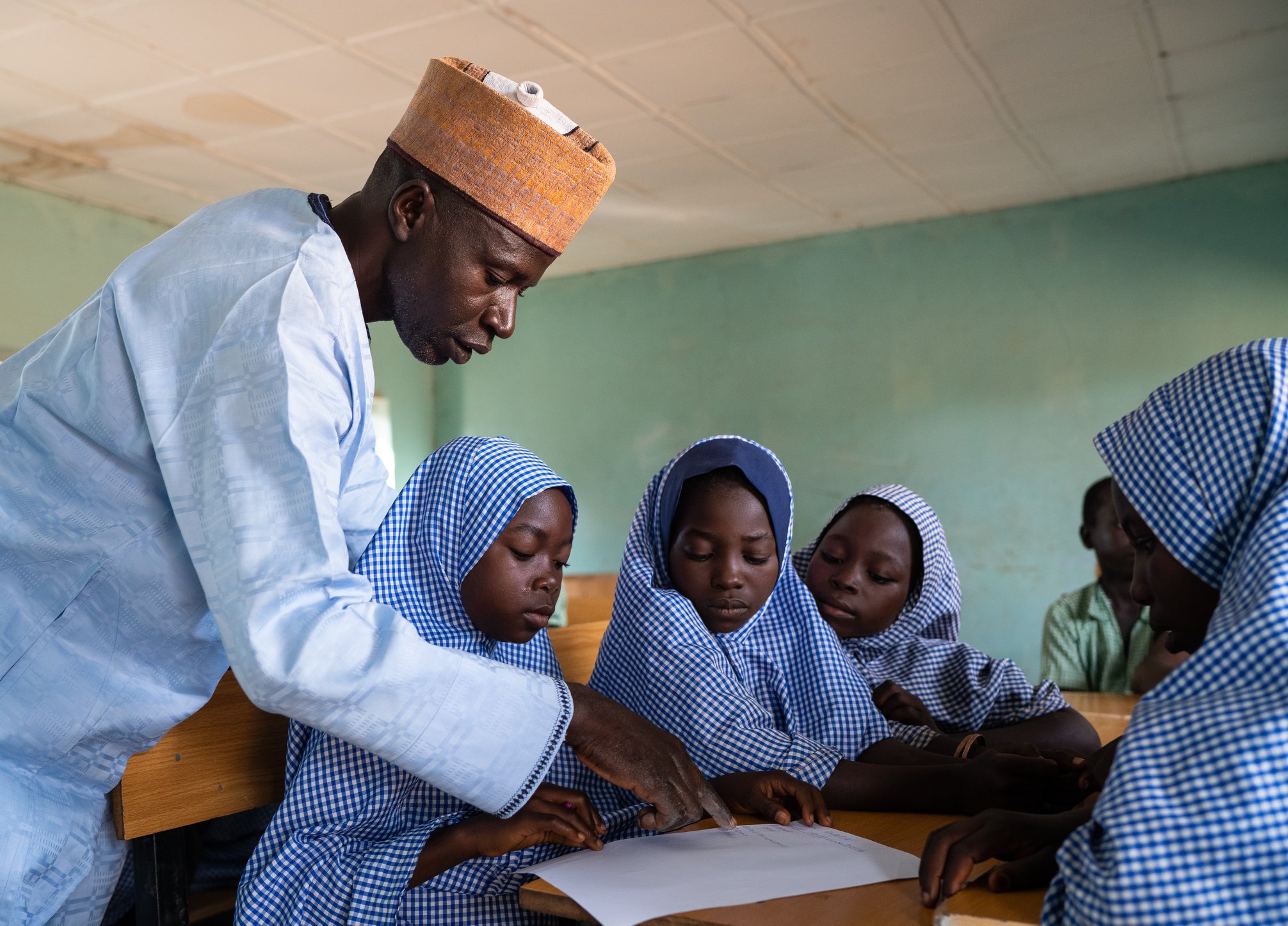
Across the world, many developed and developing nations have embraced the use of their native languages as the primary medium of instruction in schools—and the results speak for themselves. Countries like Germany, France, Japan, China, India, Pakistan, Malaysia, Japan, Russia, and South Korea teach science, technology, medicine, and other complex subjects in their own languages. This local-language approach allows students to grasp concepts more easily, think critically in their mother tongue, and build a solid foundation for innovation and national development.
In contrast, many African countries—including Nigeria—still rely heavily on colonial languages like English and French for formal education. While English is the official language in Nigeria, it is not the mother tongue for the majority of Nigerians. In Northern Nigeria, most children grow up speaking Hausa as their first language. Forcing them to learn complex subjects in a non-native language like English can hinder comprehension, discourage curiosity, and create unnecessary learning barriers.
This challenge is one of the root causes of poor academic performance in many parts of Arewa. Students often struggle not because they lack intelligence or potential, but because they are expected to learn new concepts in a language they barely understand. This is where the use of Hausa as a medium of instruction becomes not only logical, but necessary for educational progress in the region.
While it may take time before Nigerian languages like Hausa are officially adopted in schools, Arewa Digital Academy (ADA) is already leading the way with a practical and innovative solution. ADA offers online courses that blend English instruction with clear Hausa explanations. This hybrid model ensures that students can understand key concepts thoroughly, while also being exposed to English as a language of communication—rather than as a barrier to knowledge.
This approach may seem unconventional or even radical to some, but it is backed by global best practices. If Asian and European countries can build powerful education systems on the foundation of their local languages, then Nigeria—and Arewa in particular—can do the same. We don’t have to choose between Hausa and English; we can use both strategically to support deeper learning and broader access to education.
By embracing Hausa in education, we are not dumbing down learning—we are making it smarter, fairer, and more effective for our people. Let’s empower our students to learn in the language they understand best.